
Pawpaw Cultivation Demonstration
category:
Crop, Harvesting
date:
January 22, 2026
Services:
Crop Protection
Pawpaw (Papaya) Cultivation Training
Pawpaw, known locally as papaali delivers remarkable returns with relatively modest investment, producing marketable fruit within 9-12 months of planting.
Despite high demand in urban markets, hotels, and export channels, few Ugandan farmers cultivate pawpaw commercially.
This training positions you to fill this market gap with professional production techniques that ensure consistent quality and supply


|
Key Takeaway: A well-managed acre of pawpaw can generate UGX 13-20 million annually, with plants continuing production for 3-4 years from a single planting investment. |
What is Commercial Pawpaw Farming?
Commercial pawpaw farming involves cultivating improved papaya varieties at scale for market sale rather than household consumption. Unlike backyard pawpaw trees, commercial operations select high-yielding varieties, implement systematic spacing, manage nutrition and irrigation, and target specific market channels.
Pawpaw markets include fresh fruit sales to supermarkets, hotels, and local vendors; processing into juice, jam, and dried products; and increasingly, export to neighboring countries including South Sudan and Kenya where demand exceeds local supply.
Why Choose Ruhukya Demo Farm’s Pawpaw Training?
Variety Selection Expertise
Not all pawpaw is created equal. We teach you to select varieties matching market preferences—the yellow-flesh varieties preferred for shelf life and taste versus red-flesh types with their own devoted buyers. Understanding variety characteristics prevents costly mismatches between your production and market demands.
Disease Management Focus
Pawpaw’s main cultivation challenge is disease management, particularly viral infections and root rot. Our training emphasizes prevention-focused approaches, early detection, and management strategies that protect your investment and maintain plant productivity.
Market-Oriented Approach
Growing pawpaw is only profitable if you can sell it. We connect you with buyers, teach quality standards, and help you understand market timing that captures the best prices throughout the year.
|
Key Takeaway: Pawpaw plants produce 30-40 fruits per plant per year, with each tree potentially generating UGX 30,000-60,000 in annual revenue as of 2025 market prices. |
What You’ll Learn in This Program
Variety Selection and Nursery Establishment
Learn to identify and source improved varieties including Solo, Sunrise, and Red Royale. Master nursery techniques using polythene bags, soil preparation, and seedling care that produces vigorous transplants ready for field establishment.
Site Selection and Field Preparation
Understand pawpaw’s requirements for well-drained soils, full sunlight, and wind protection. Learn proper hole preparation, organic matter incorporation, and spacing (2-2.5m between plants) that optimizes production while enabling efficient management.
Nutrition and Water Management
Master fertilization schedules using NPK and organic inputs that support heavy fruit production. Learn irrigation requirements; Pawpaw needs consistent moisture but cannot tolerate waterlogging and water-efficient practices for dry season production.
Pest and Disease Control
Identify common threats including fruit flies, aphids, and the dreaded pawpaw ringspot virus. Implement integrated management combining resistant varieties, cultural practices, and targeted treatments that maintain plant health and fruit quality.
Harvesting and Post-Harvest Handling
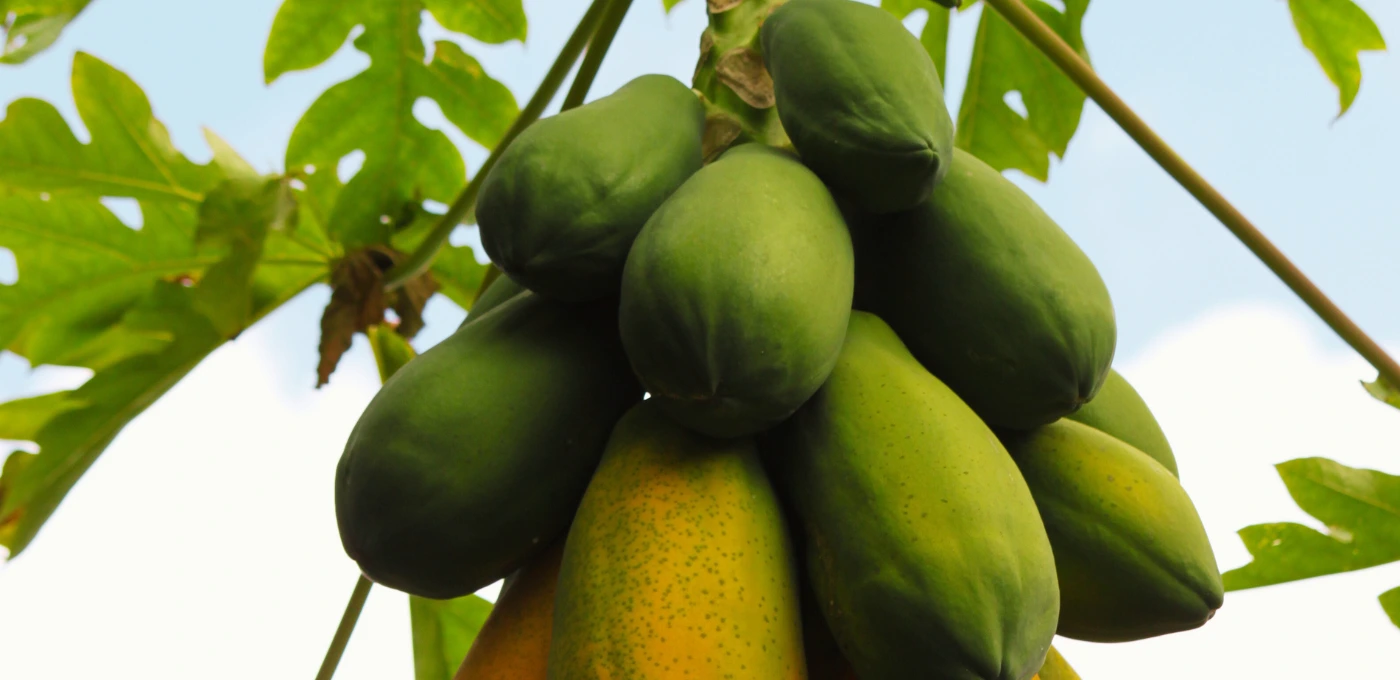
Recognize maturity indicators the appearance of yellow traces on green fruit signals harvest readiness. Learn picking techniques that prevent damage, ripening management for market timing, and packaging that ensures fruit reaches buyers in premium condition.
Expected Outcomes After Training
Pawpaw offers one of the fastest paths to profitable fruit farming. Properly managed plants begin bearing fruit within 9-12 months and continue producing for 3-4 years.
Beyond good income, pawpaw farming develops skills transferable to other fruit crops. Many graduates expand into mango, pineapple, or passion fruit production, building diversified fruit farming enterprises.
Frequently Asked Questions
Q: Which pawpaw variety is best for beginners?
A: We typically recommend yellow-flesh varieties like Solo Sunrise for new growers. They offer longer shelf life, forgiving harvest timing, and strong market acceptance. Red-flesh varieties can be added once you’ve mastered basic production.
Q: How much does it cost to establish one acre of pawpaw?
A: Budget approximately UGX 1.5-2 million for seedlings, land preparation, fertilizers, and first-year maintenance. Returns from your first harvest typically exceed this investment, with subsequent years generating pure profit minus maintenance costs.
Q: Can pawpaw grow in Hoima District’s climate?
A: Hoima’s conditions—warm temperatures, adequate rainfall, and well-drained soils—are excellent for pawpaw. The district’s climate allows year-round production, a significant advantage over cooler highland areas.
Q: What happens when my pawpaw trees get too tall to harvest?
A: After 3-4 years, most commercial growers replant with new seedlings rather than managing very tall trees. The economics favor fresh plantings that maintain easy harvest and peak production.
|
Launch Your Pawpaw Farming Business Join our training and enter Uganda’s profitable fresh fruit market. RESERVE YOUR SPOT: +256776420995 | admin@ruhukyademofarm.com |