
High-Value Crops for Small Farms: What Grows Profitably 2026
High-Value Crops for Small Farms: What to Grow When Land is Limited
You have half an acre. Maybe less. Family needs income. Land prices mean you won’t be expanding anytime soon. Traditional advice says grow maize, beans, cassava. But the numbers don’t work. Half an acre of maize feeds your family for a few months but generates little cash.
Meanwhile, your neighbor with a quarter-acre vegetable plot sends two kids to secondary school. Bought a motorcycle. Built an addition on the house. Same soil. Same climate. Different crops. Different results.
The difference isn’t farming skill. It’s understanding which crops generate income on limited land.
Most farming advice assumes you have acreage to work with. Plant widely spaced crops. Accept modest returns per square meter because you’re farming across many meters. That approach works when land is abundant and cheap.
It fails completely when land is your limiting factor.Small farms need different strategies. Crops that produce intensively. Markets that reward quality over quantity. Growing methods that maximize every square meter.
Get these pieces right, and limited land stops being a disadvantage.
The Reason Small Farms Dont Profit Much With Common Crops.
Maize only makes sense for large farms. Plant mechanically. Apply inputs across broad areas. Harvest efficiently with equipment. Sell in bulk. The business works because they sell enough volume of it to make the math work.
On small plots, the economics reverse. You’re hand planting. Hand weeding. Hand harvesting. Labor input per kilogram of maize is high. But the price per kilogram stays the same whether you grew it on half an acre or fifty acres.
Your production costs money, but the market doesn’t pay more for small-batch maize. You end up with food for home consumption, which has value, but limited cash to pay school fees or invest in farm improvements.
Beans present similar challenges. Cassava takes months to mature and produces starchy roots worth very little per kilogram. Sweet potatoes grow well but command low prices.
These crops feed Africa. They’re important. But they’re not solving the income problem for families with a quarter-acre.
What changes the equation? Crops where small plots can produce high value through intensive management.
What Makes Crops Valuable on Small Land
Value per square meter is the metric that matters, not total production. Not even profit margin in percentage terms. Raw income generated per square meter of land.
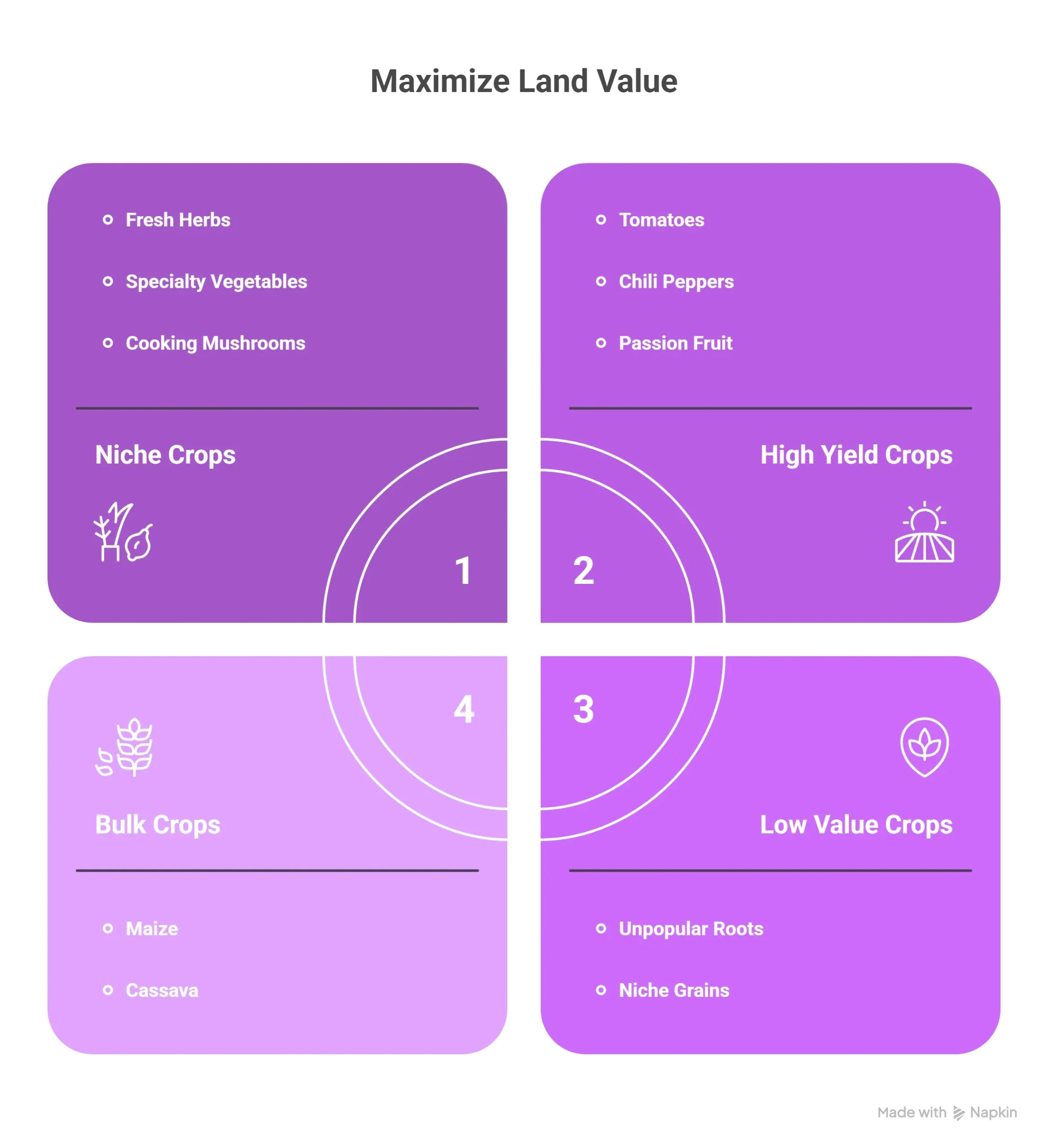
High-value crops share characteristics. They produce either continuously or very quickly. Markets pay well for them, especially when quality is high. They don’t require huge land areas to justify effort. Small quantities still fetch meaningful prices.
Vegetables check many of these boxes. A well-managed quarter-acre of tomatoes generates more income than two acres of maize. Chili peppers on a tenth of an acre can match cassava from a full acre. Leafy greens produce continuously, providing regular small sales that sustain families between major harvests.
These aren’t exotic crops requiring specialized knowledge. They’re vegetables people eat daily. Markets exist naturally. Growing them intensively on small plots just requires understanding their specific needs.
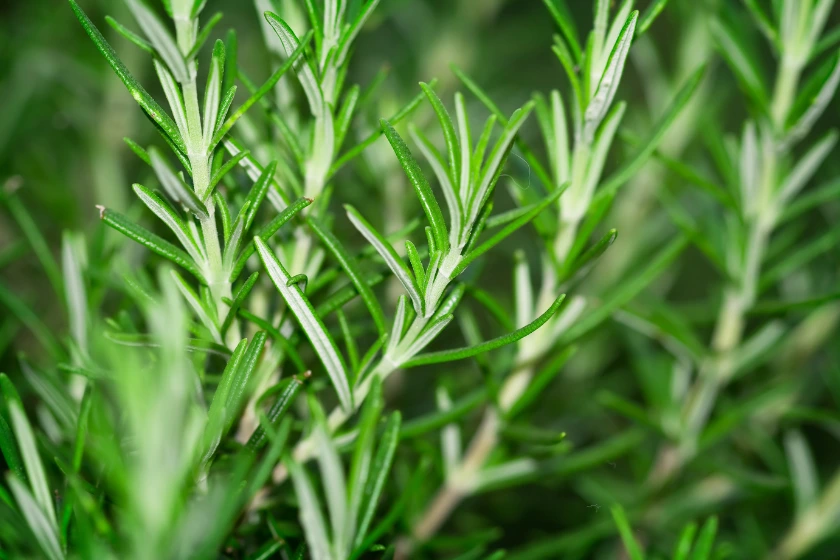
Herbs take the intensive approach further. Basil, rosemary, thyme, parsley occupy minimal space but command premium prices. Restaurants and urban consumers pay well for fresh herbs. A few square meters of herb production generates income disproportionate to the space involved.
Specialty crops add another dimension. Mushrooms grow in shade, using vertical space that might otherwise produce nothing. Passion fruit vines climb vertically, producing abundant fruit from minimal ground area. Tree tomatoes fruit prolifically on small plots.
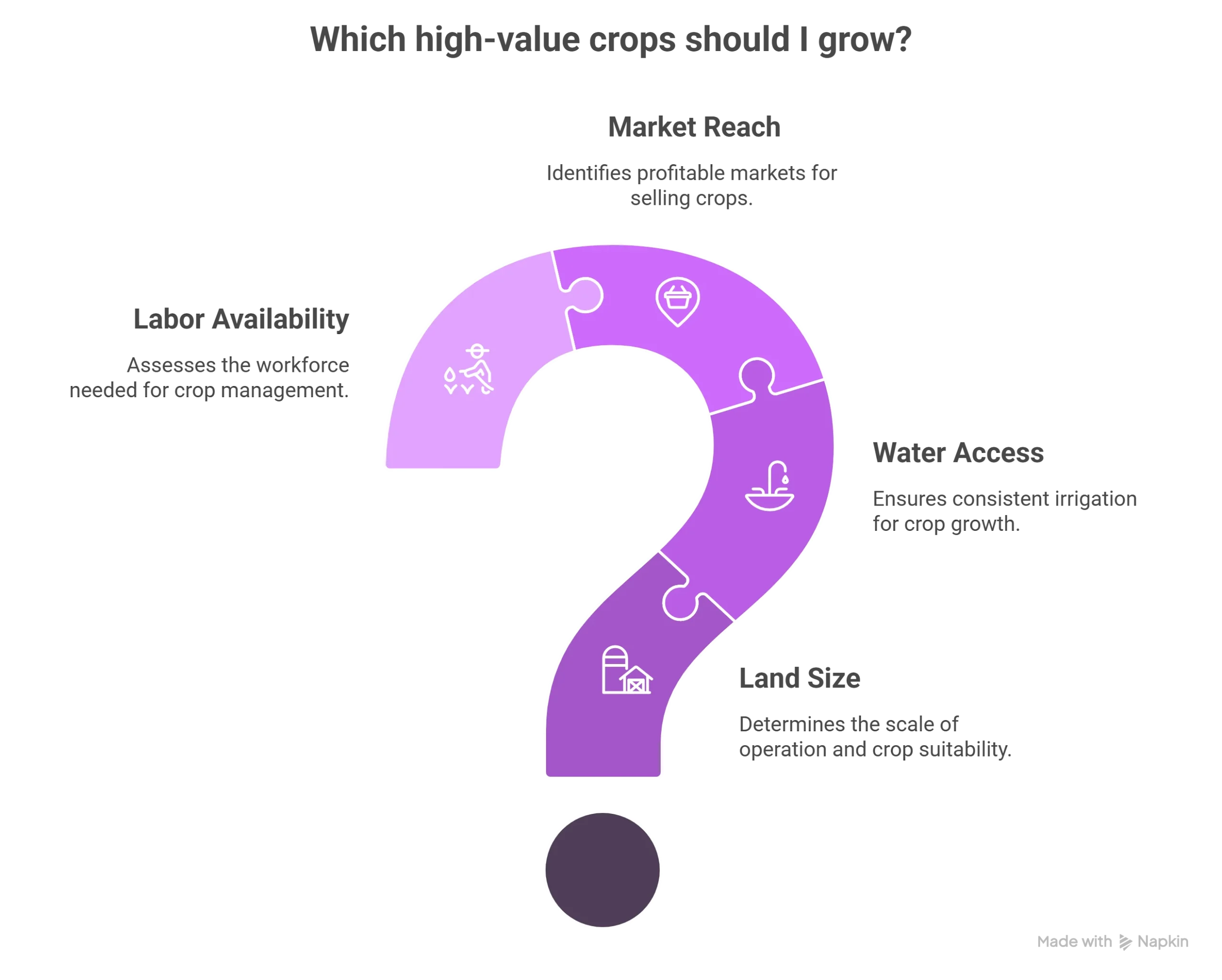
The key is matching crops to your specific situation. How much land do you have? What water access? Which markets can you reach? What labor is available? Your answers point toward specific high-value crops that fit.
Vegetables That Turn Small Plots Into Income
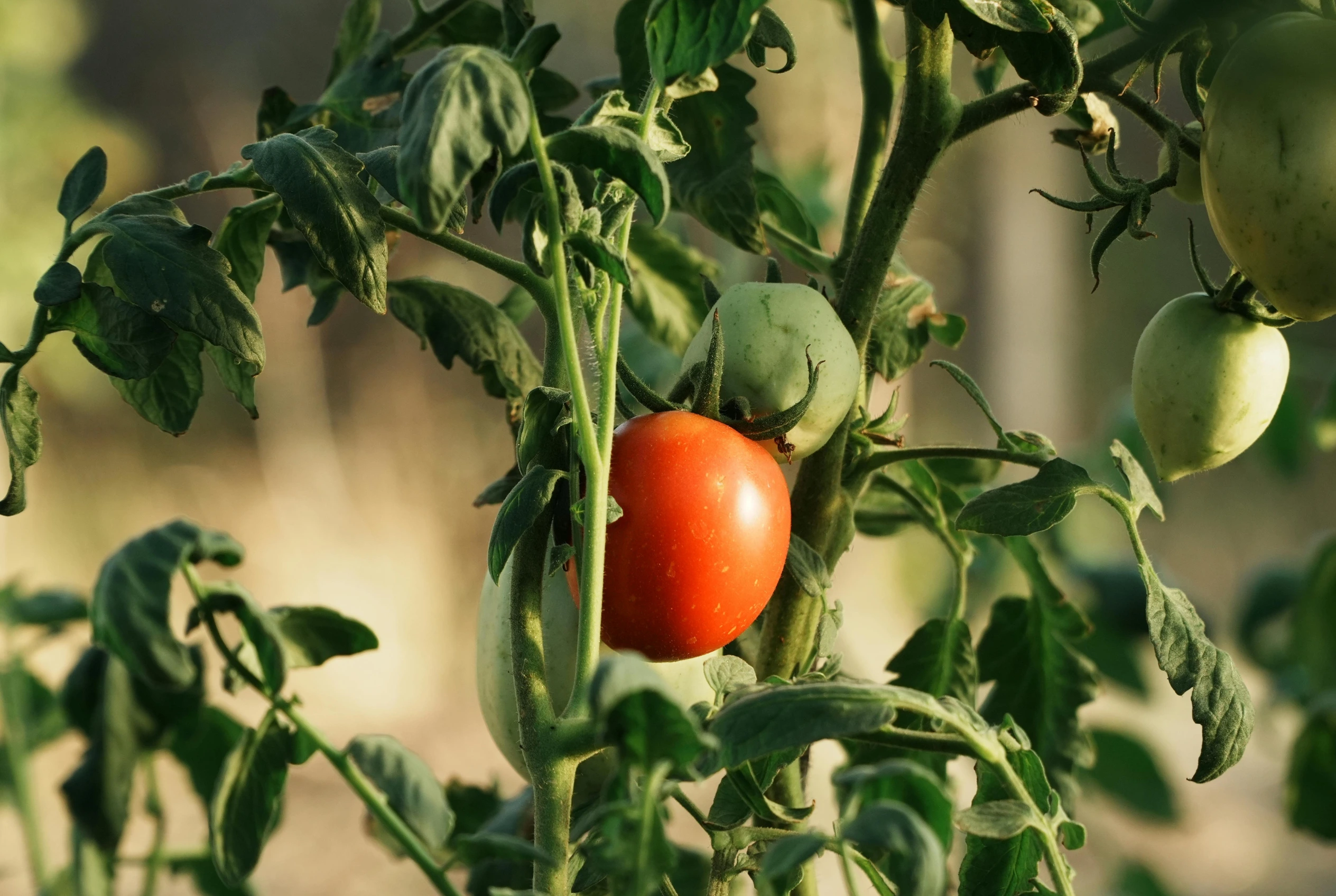
A) Tomatoes might be the gateway crop for small-scale intensive farming. Everyone eats tomatoes. Markets exist everywhere. Prices stay strong when supply is managed well.
But tomatoes demand attention. They need consistent water without being waterlogged. Proper spacing to reduce disease. Support for plants to grow vertically. Regular scouting for pests. Timely harvest.
Get these details right, and tomato production rewards you well. A quarter-acre managed properly produces fruit for months. Income flows regularly as fruits ripen in cycles. The attention required feels worth it when you’re harvesting three or four times per week.
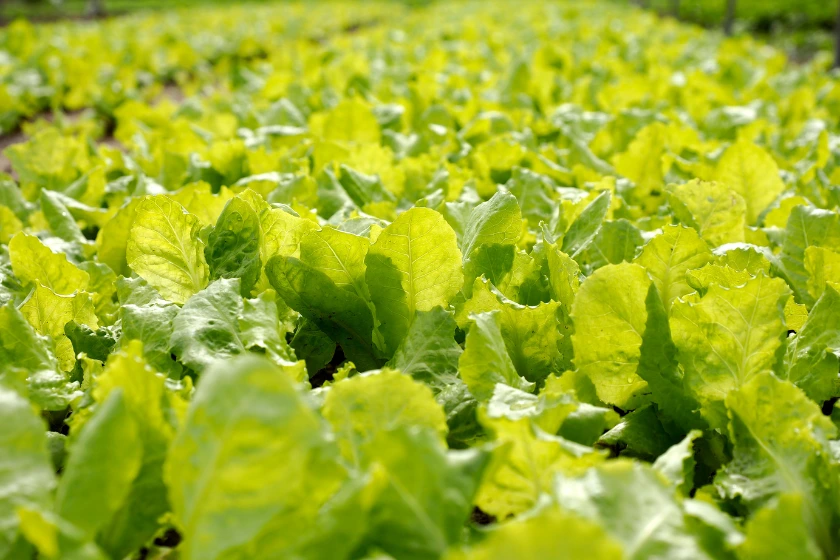
B) Leafy vegetables produce even faster. Amaranth, nakati, sukuma wiki, lettuce, cabbage each matures quickly. Some are ready to harvest within weeks of planting. Others produce repeatedly if you harvest outer leaves while letting plants continue growing.
These greens occupy minimal space when planted intensively. Raised beds allow tight spacing. Intercropping maximizes land use. Succession planting means something is always ready for harvest and market.
Markets for leafy greens stay strong because production is immediate. Unlike crops that store well, fresh greens reach consumers quickly. This creates constant demand rather than glut periods when everyone harvests simultaneously.
C) Chili peppers deserve special mention. Once established, chili plants produce for months. Harvest happens continuously as pods ripen. Small plots generate substantial production over a season. Dried chili stores well, giving you market timing flexibility. Prices for quality dried chili stay strong.
At Ruhukya Demo Farm, you can compare chili production methods side by side. See plant spacing that optimizes production. Observe irrigation techniques. Learn when to harvest for maximum quality. Understanding these details transforms chili from a crop you’ve heard about into one you can grow profitably.
How Space-Efficient Crops Change Farm Design
Traditional farming layouts assume you have room to spread out. Wide paths between rows. Large spacing between plants. Equipment access requirements.
Small farms farming intensively design differently. Raised beds concentrate production and soil improvement efforts. Narrow paths minimize wasted space. Vertical growing adds another production layer.
Raised beds make particular sense. You’re building soil quality in specific, managed areas rather than trying to improve an entire field. Compost, manure, and other amendments go exactly where plants need them. Drainage improves. You can work beds without compacting soil by walking on them.
Height works in your favor. Passion fruit trellises occupy minimal ground space but produce heavily. Climbing beans use vertical space. Staked tomatoes produce more than sprawling plants while using less ground area.
Some farmers layer their production. Tall crops provide partial shade for shade-tolerant species beneath.
Nitrogen-fixing plants improve soil for heavy feeders nearby. Deep-rooted crops access nutrients shallow-rooted crops can’t reach. Each plant contributes to the system rather than competing with neighbors.
Water management becomes precise rather than broad. Drip irrigation waters specific plants rather than entire fields.
Mulching conserves moisture exactly where needed. You can justify more attention to water management because the income per square meter rewards that attention.
This intensive approach feels different than traditional farming. It’s more like gardening than field agriculture. But the economics support the effort when land is limited and income needs are real.
Markets That Reward Quality Over Volume
You’re not competing with large-scale commercial farms. They dominate commodity markets through volume. You win through different positioning.
Urban consumers increasingly value freshness and quality. They’ll pay premiums for vegetables harvested that morning versus produce that’s been in supply chains for days. Your proximity to markets becomes an advantage if you leverage it.
Restaurants need consistent supply of quality ingredients. They don’t need huge volumes, but they need reliability. A small farm supplying fresh herbs, specialty vegetables, or premium tomatoes can build lasting relationships with restaurants that value dependability.
Hotels, schools, hospitals, and corporate cafeterias all need vegetables. They prefer working with suppliers who meet quality standards consistently. Volume requirements often match well with small farm production capacity.
Direct sales to consumers through farm gates or small local markets capture more value than selling to middlemen. Your smaller production volumes actually fit this marketing channel better than large-scale production would.
The key is understanding what differentiates your product. If it’s freshness, market that. If it’s chemical-free production, consumers care about that. If it’s unusual varieties not available elsewhere, that’s your edge.
Price competition with commercial farms leads nowhere good for small producers. Quality competition, specialty crops, and direct marketing create spaces where small farms have genuine advantages.
Crops You Can Start Small and Scale
One risk with high-value crops is the learning curve. Vegetables demand more knowledge than maize. Herbs have specific requirements. Mistakes can be expensive if you invest heavily before understanding production.
Starting small manages this risk. Pick one crop. Maybe tomatoes because you know the market exists. Dedicate a small plot. Learn everything about growing it well. Solve problems on a manageable scale.
Once you’ve mastered one crop, income from it funds expanding that production or adding a second crop. Your growing knowledge and proven market relationships reduce risk.
Leafy greens work particularly well for this approach. Start with a few beds of sukuma wiki or amaranth. Learn the spacing, watering, pest management. Prove to yourself that you can grow and sell it profitably. Then expand.
This sequential approach builds confidence and capability simultaneously. You’re not betting the whole farm on switching crops entirely. You’re adding high-value production alongside whatever you’re already growing.
As income from intensive high-value crops grows, you can shift more land and effort into them. Eventually, you might dedicate most of your small farm to vegetables or herbs because the economics clearly favor them for your situation.
What You Need to Make Intensive Growing Work
High-value crops demand more inputs than subsistence crops. Not necessarily expensive inputs, but consistent attention to specific needs.
Water access matters critically. Vegetables can’t tolerate drought the way cassava can. You need either reliable rainfall patterns or irrigation. Drip systems work excellently for small intensive plots. Even simple watering cans work if labor is available.
Soil fertility needs attention. Intensive production extracts nutrients faster than extensive farming. Compost, manure, proper crop rotation, and occasional purchased fertilizers keep soil productive. But you’re applying these inputs to small, productive areas rather than spreading them thinly across large fields.
Pest and disease management requires vigilance. Check plants regularly. Notice problems early. Intervene before minor issues become harvest-destroying disasters. This sounds demanding, but small plots make it manageable. You’re not monitoring acres of crops. You’re watching a few intensively planted beds.
Knowledge becomes your main input. Understanding each crop’s specific requirements. Recognizing problems quickly. Knowing market preferences. Timing plantings for optimal prices. None of this requires money, but it does require learning.
This is where demonstration farms prove invaluable. You see intensive production working. Notice spacing and arrangement. Observe irrigation setup. Ask about challenges and solutions. The knowledge you gain guides your own implementation effectively.
Mistakes That Waste Small Farm Potential
- The most common mistake is trying to farm intensively without adequate water. Vegetables need consistent moisture. Planning intensive production without securing water first sets you up for failure and frustration.
- Another trap is planting everything at once. Market gluts destroy prices. Continuous small plantings work better than one large planting. You maintain steady income rather than feast-or-famine cash flow.
- Poor variety selection creates problems. Some tomato varieties suit intensive management. Others are bred for extensive commercial production. Growing the wrong variety means fighting the plant’s natural tendencies rather than working with them.
- Ignoring post-harvest handling destroys value. High-quality production means nothing if crops deteriorate before reaching buyers. Learning proper post-harvest techniques preserves the value you created through intensive growing.
- Expanding too fast before mastering fundamentals leads to overwhelming problems. Better to farm a quarter-acre excellently than a full acre poorly. Income comes from productive, well-managed land, not from maximum acreage farmed.
- Neglecting market development causes waste. Growing successfully but having nowhere to sell means production effort generated no income. Building market relationships deserves as much attention as production improvement.
Real Numbers From Small Intensive Farms
The economics work when you calculate income per square meter rather than per hectare.
A quarter-acre of well-managed tomatoes can generate income comparable to two acres of maize. The tomatoes require more labor and inputs. But you’re working a much smaller area, making that attention feasible. The income per hour of labor often exceeds extensive crop production significantly.
Leafy greens producing continuously create steady cash flow that extensive crops can’t match. Harvesting and selling every few days provides the regular income families need for daily expenses. Large harvests once or twice a year don’t meet that need as well.
Chili peppers dried and stored give you market timing advantages. You can sell when prices are favorable rather than being forced to sell immediately after harvest. This flexibility often doubles income compared to distress selling.
The specific numbers vary by crop, location, and market access. But the pattern stays consistent: intensive production of high-value crops generates more income from limited land than extensive production of low-value crops.
Why Some Farmers Resist and Others Thrive
Shifting from traditional crops to intensive high-value production requires changing your farming mindset. Some farmers resist because it feels risky. Everything they’ve done before was different. The new approach demands learning and adjustment.
Others embrace the change because they’ve calculated their options. Half an acre of maize produces x amount of income. Half an acre of vegetables could produce multiples of x. The choice becomes obvious when you look at it clearly.
Risk feels different when you understand it properly. Yes, vegetables demand more knowledge than maize. But the knowledge is learnable. Yes, markets might fluctuate. But so do maize prices, and vegetable income even at low prices often exceeds maize income at good prices.
Success comes from starting where you are and improving systematically. Not transforming everything at once. Not betting the family’s food security on crops you don’t understand yet. But not staying stuck in approaches that clearly aren’t generating the income you need either.
Farmers who thrive with intensive high-value crops typically visit places where it’s working. They see the production. Talk to farmers making money from small plots. Understand the challenges honestly rather than romanticizing or catastrophizing.
Then they try it on a small scale. Learn from mistakes that don’t destroy the household. Scale up what works. Adjust what doesn’t. Build competence and confidence together.
Your Land Isn't the Limitation You Think
Small farm size feels limiting when you compare yourself to large-scale operations. They have economy of scale. You have a quarter-acre.
But intensive high-value production reverses the advantage. Large farms can’t give every square meter the attention you can. They can’t harvest daily and rush fresh produce to nearby markets. They can’t build direct relationships with individual buyers.
Your size becomes your advantage in markets that value quality, freshness, and flexibility over sheer volume.
The path forward is choosing crops that reward intensive management. Learning to grow them excellently. Finding markets that value what you produce. Continuously improving production per square meter rather than seeking more meters.
Land scarcity pushes you toward farming that actually works better economically than extensive approaches. You just need to recognize the opportunity rather than seeing only the limitation.
Your quarter-acre isn’t too small. It’s exactly right for high-value intensive production that can support your family and build a genuine farming business. The crops are there and the markets exist. The question is whether you’ll farm your land according to its actual potential or according to outdated assumptions about what farming should look like.
See high-value crops thriving on small demonstration plots. Learn intensive growing techniques. Understand market requirements. Get your specific questions answered at Ruhukya Demo Farm. Book your visit or call +256 776 420995.