
Soil Health for Small Farms 2026
Soil Health for Small Farms: Building Your Most Valuable Asset
You can’t see most of what makes soil work. Multiple organisms too small for eyes, chemical exchanges happening constantly, organic matter breaking down, releasing nutrients, building structure. The invisible foundation your farm depends on.
Most farmers pay attention to what’s visible; Seeds going into ground plants emerging, leaves turning colors that signal problems, fruits forming and ripening. All important. But they’re responding to what’s happening underneath, in the soil those roots occupy.
Healthy soil makes farming easier. Plants resist diseases better. Droughts don’t devastate as quickly. Fertilizers work more effectively. Water soaks in rather than running off. Weeds don’t dominate as aggressively. The same effort produces better results.
Degraded soil fights you constantly. Plants struggle despite your care. Every input costs more and delivers less. Yields disappoint. Quality suffers. You work harder for worse outcomes.
The difference isn’t visible from a distance. Two fields might look similar. Same crops. Same sunshine. Similar rainfall. But one farmer harvests abundant, healthy produce while the other barely covers costs. Look closer and you’ll find the answer in the soil.
Why Many Small Farms Struggle With Soil
Soil doesn’t ask for attention. It sits there silently, accepting whatever treatment it receives. Plant the same crop year after year, and soil doesn’t complain. Remove all crop residues without replacing organic matter, and soil doesn’t protest. Apply excessive fertilizer that damages soil structure, and you won’t hear objections.
But soil keeps score. Each poor decision extracts a cost. Sometimes immediately. Usually gradually. Over seasons and years, soil either builds or degrades based on how you manage it.
Many small-scale farmers inherited degraded soil. Previous generations didn’t understand soil biology. Or they understood but had no choice but to push soil beyond sustainable limits. Either way, the soil you’re farming now might already be compromised before you make a single decision.
Common practices continue the damage. Burning crop residues removes organic matter soil needs. Continuous cultivation breaks down soil structure. Monoculture depletes specific nutrients repeatedly. Over-fertilization can harm beneficial soil organisms. Each practice seems reasonable in isolation but compounds into serious degradation.
The trap is that degraded soil creates a cycle. Poor soil produces weak crops. Weak crops produce little residue. Little residue means less organic matter returning to soil. Less organic matter means poorer soil next season. The spiral continues downward.
Breaking this cycle requires understanding what soil actually needs.
What Healthy Soil Looks Like
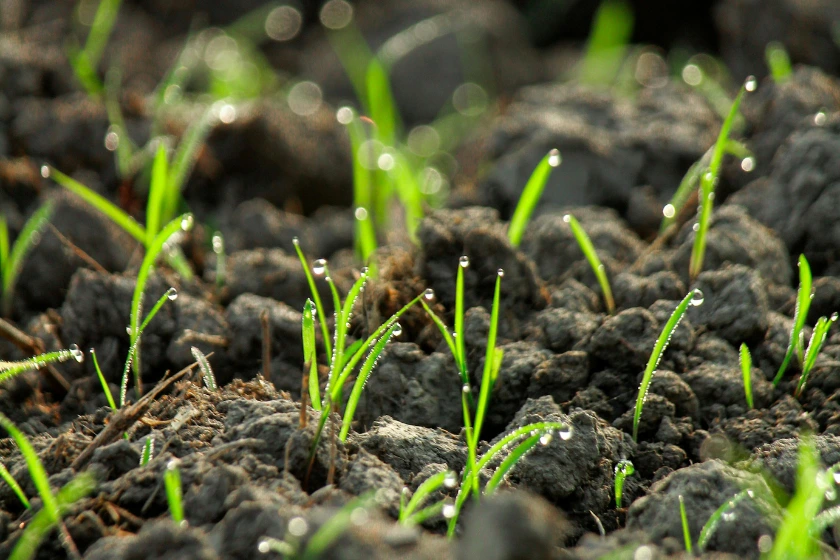
Pick up a handful of healthy soil. It crumbles easily. Forms aggregates, small clumps that hold together but break apart without force. Feels slightly moist even during dry periods. Smells earthy, like a forest floor after rain.
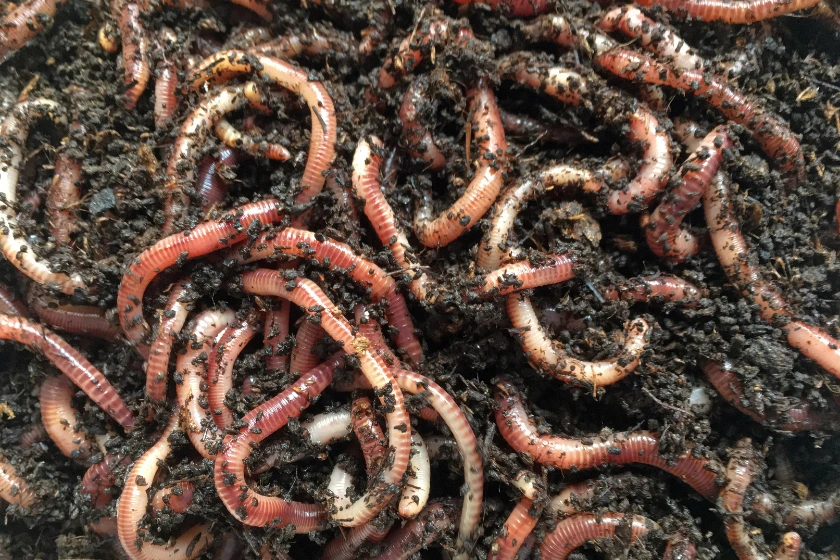
Look closely. You might see earthworms. Earthworm presence indicates healthy soil biology. They eat organic matter, mixing it through the soil profile. Their tunnels allow air and water movement. Their castings add nutrients in plant-available forms.
Drop water on healthy soil. It soaks in quickly. Doesn’t puddle on the surface. Doesn’t run off carrying topsoil. The soil structure holds water like a sponge while allowing excess to drain.
Dig down past the surface. Roots penetrate deeply in healthy soil. They spread out, exploring for nutrients and water. In degraded soil, roots stay shallow and stunted, unable to access resources deeper in the profile.
Plant healthy soil and notice the difference. Seeds germinate strongly. Seedlings establish quickly. Growth stays consistent rather than stunted. Leaf color indicates plants accessing adequate nutrients. Drought resistance improves because roots reach deeper water.
The visual differences become obvious once you know what to look for. Healthy soil supports consistent productivity. Degraded soil struggles even with optimal weather and inputs.
The Foundation: Organic Matter
Organic matter is partially decomposed plant and animal materials plus the living organisms breaking it down. This brown to black substance holds water, stores nutrients, feeds soil life, and builds soil structure.
Most Ugandan soils naturally contained significant organic matter before farming. Forest soils, grassland soils, wetland soils all had organic matter from continuously decaying vegetation. Farming removes vegetation faster than natural processes replace it. Organic matter content drops. Soil quality follows.
Rebuilding organic matter reverses this decline. Add more organic material than you remove. Let decomposition work gradually. Support the organisms doing the decomposing. Over time, soil quality rebounds.
Crop residues provide the easiest organic matter source. Maize stalks after harvest. Bean plants pulled and left. Weed vegetation before it seeds. Anything that grew from your soil can return to it. Instead of burning or removing residues, chop them and spread across the field or add to compost.
Animal manure offers concentrated organic matter plus nutrients. Cow manure, chicken droppings, goat manure, pig waste all improve soil when properly managed. Fresh manure can burn plants, so age it first or compost it with other materials. Applied properly, manure transforms soil fertility.
Green manure crops grow specifically to add organic matter. Plant legumes or other fast-growing crops during off-seasons. Let them grow. Cut before flowering and dig into soil. As they decompose, they add organic matter while providing nutrients.
Compost concentrates organic matter improvement. Mix various organic materials, crop residues, kitchen scraps, animal manure, leaves, grass clippings. Let decomposition happen in a pile rather than spread across the field. Apply finished compost where it matters most.
Each method adds organic matter. Combining several methods accelerates improvement. The key is stopping organic matter removal while increasing organic matter addition.
Making Compost Work for You
Compost seems complicated until you understand the basics. Then it becomes simple. Mix materials that decompose. Provide conditions that encourage decomposition. Wait. Use the result.
Start with materials you already have. Crop residues from your field. Kitchen waste from your household. Weeds pulled before they seed. Animal bedding mixed with manure. Anything that was recently alive and plant-based works.
Layer these materials in a pile. Wet materials alternate with dry materials. Green materials mix with brown materials. The variety provides different nutrients and speeds decomposition. Size matters less than mixing.
Keep the pile moist like a wrung-out sponge. Too dry and decomposition slows. Too wet and it becomes slimy and smells bad. Add water if it dries out. Cover if rains make it soggy.
Turn the pile occasionally. Moving outer material to the center, center material to outside. This mixes everything, adds air, and speeds the process. How often depends on your urgency. Weekly turning produces compost faster. Monthly turning still works but takes longer.
You’ll know compost is ready when original materials become unrecognizable. Dark, crumbly, smelling earthy. This usually takes several months. The exact timing varies with climate, materials, and management.
Use finished compost around high-value crops first. Vegetables, intensive plots, crops that reward extra fertility. Spread it on the soil surface or mix into planting holes. A little compost concentrated where it matters beats thin spreading across entire fields.
The process seems like work initially. But compost essentially makes itself if you provide reasonable conditions. Your main job is gathering materials and providing moisture.
How Crop Rotation Protects Soil
Planting the same crop repeatedly exhausts specific nutrients, encourages crop-specific pests and diseases, and degrades soil structure in particular ways. Rotation breaks these patterns.
Different crops have different root patterns. Deep-rooted crops bring up nutrients from lower soil layers. Shallow-rooted crops use surface nutrients. Alternating between them balances nutrient use across the soil profile.
Different crop families attract different pests and diseases. When you plant a different crop, the previous crop’s problems find no host. Pest and disease pressure drops without chemical intervention.
Legumes add nitrogen through their relationship with soil bacteria. Follow heavy-feeding crops like maize with beans or other legumes. The legumes restore nitrogen the maize consumed while producing a harvest themselves.
The rotation pattern matters less than the principle. Don’t plant the same crop in the same spot season after season. Mix it up. Even simple two-crop rotation provides benefits. Three or four-crop rotation works better.
Small plots make rotation challenging. You want to keep growing what sells well. But even small adjustments help. If you grow tomatoes, rotate with different crops within the tomato family. Or rotate just portions of your plot while keeping some in preferred crops.
Think of rotation as insurance. It prevents the buildup of problems while building soil health. The discipline pays back through more consistent yields and reduced pest pressure.
Living Soil Needs Protection
Soil organisms, bacteria, fungi, earthworms, tiny arthropods, countless others, perform services no external input can replicate. They decompose organic matter. Fix nitrogen from air. Make nutrients plant-available. Create soil structure. Suppress diseases.
These organisms need three things: food, moisture, and protection.
Organic matter provides their food. Add compost, crop residues, manure, and soil organisms thrive. Remove all organic matter and they starve.
Moisture keeps them active. Dry soil goes dormant. Saturated soil suffocates them. Moderate moisture levels support active soil biology. Mulching helps maintain this moisture.
Protection means avoiding practices that harm soil life. Excessive chemical fertilizers can damage beneficial organisms. Some pesticides kill more than target pests. Continuous bare soil exposes organisms to temperature extremes and drying.
Mulching protects soil surface. Spread crop residues, grass clippings, leaves, any organic material across your planting beds. This covers moderates temperature, conserves moisture, suppresses weeds, and feeds soil organisms as it decomposes.
The organisms you can’t see do more for soil fertility than anything you can buy. Protecting and feeding them costs little but returns enormous value.
Avoiding the Over-Fertilization Trap
Synthetic fertilizers can boost production. They can also create dependency and damage soil health when misused.
The trap works like this: you apply fertilizer. Crops respond with increased growth. You harvest more. The success encourages heavier fertilizer use next season. But the fertilizer doesn’t build soil organic matter. It doesn’t improve soil structure. It doesn’t support soil organisms. Eventually, soil becomes dependent on constant fertilizer input while its natural fertility declines.
Balance is important. Fertilizer used alongside organic matter addition works well. Fertilizer as a complete replacement for soil building creates problems.
When you do use fertilizer, target it precisely. Rather than broadcasting across entire fields, apply near plant roots where it’s needed. This reduces waste, cuts costs, and minimizes environmental impact.
Soil testing helps identify actual needs rather than guessing. But even without testing, observing plant growth tells you something. Stunted plants with pale leaves might need nitrogen. Poor fruiting might indicate phosphorus deficiency. Observing responses to small test applications guides larger decisions.
The goal isn’t eliminating fertilizer. It’s using it strategically as one tool among many for building soil fertility.
What Demonstration Farms Show About Soil
Reading about soil health teaches concepts. Seeing healthy soil in action teaches something deeper.
At demonstration farms, you compare soil managed different ways. One plot managed conventionally. Another with heavy compost addition. Another with crop rotation and cover cropping. The visual comparison makes abstract principles concrete.
You see how quickly water soaks into well-managed soil versus running off degraded soil. You notice crop health differences between plots. You observe earthworm presence varying with management. These direct comparisons clarify what practices actually accomplish.
Learning through hands-on demonstration accelerates your understanding. You can dig into soil, feel the structure, see the roots, smell the earthiness. This sensory experience sticks in memory better than descriptions.
Questions get answered immediately. Why compost this way rather than another? How much mulch provides benefits without smothering plants? When should you turn compost? Demonstration answers these questions by showing rather than telling.
The investment of a farm visit returns through years of improved soil management based on what you witnessed working.
Simple Practices That Compound
Soil improvement doesn’t require dramatic intervention. Small practices sustained over time compound into major improvements.
- Stop removing all crop residues. Leave some. Let them decompose in place. This single change begins rebuilding organic matter.
- Start a small compost pile. Even if it’s just kitchen scraps and weeds initially. Learn the process on a manageable scale. Expand as you gain confidence.
- Add animal manure when available. Even small amounts help. A few wheelbarrows spread on vegetable beds makes noticeable difference.
- Rotate crops on at least some of your land. Start with portions you can manage easily. Expand rotation as you see benefits.
- Mulch high-value plots. You don’t need to mulch everything immediately. Start where returns justify effort. Learn what works. Apply lessons more broadly.
- Protect soil from erosion. Even slight slopes lose topsoil during heavy rains. Simple barriers, grass strips, contour planting all reduce loss.
Each practice alone provides modest benefit. Combined and sustained, they transform soil fertility over several seasons.
When Improvements Become Visible
Don’t expect overnight transformation. Soil responds to consistent care over seasons rather than dramatic single interventions.
Within one growing season of adding compost and managing soil better, you’ll notice plants establishing more vigorously. Root development improves. Mid-season stress resistance increases slightly.
By the second season, differences become obvious. Crop yields improve measurably. Soil structure feels different when you work it. Water management becomes easier because soil holds moisture better.
After several seasons of consistent organic matter addition and good practices, your soil functions differently. It tolerates drought better. Supports higher yields. Requires less external input. Produces higher quality crops that bring better prices.
The timeline requires patience. But unlike many farming investments, soil improvement keeps paying returns season after season. The effort you invest now builds value that lasts years.
Why Your Soil Determines Your Success
Everything else you do in farming depends on soil quality. Good seed planted in poor soil disappoints. Adequate rainfall on degraded soil runs off without benefit. Fertilizer applied to soil lacking organic matter delivers minimal response.
Healthy soil makes everything work better. The same varieties yield more. The same rainfall produces bigger differences. The same fertilizer generates stronger responses. Your effort multiplies rather than fighting against limitations.
Small farms can’t afford waste. Limited land means each square meter must produce well. Degraded soil fighting against you wastes that precious resource. Healthy soil maximizes what your limited land can deliver.
Building soil health isn’t separate from successful farming. It is successful farming. Everything else, variety selection, planting timing, pest management, harvest techniques builds on the foundation soil provides.
Neglect soil and nothing else fully succeeds. Invest in soil and everything else works better.
Your most valuable asset isn’t above ground. It’s the living system underneath supporting everything you grow. Treat it accordingly.
Ready to see soil management techniques that work? Walk demonstration plots showing different soil improvement methods.
Compare results yourself. Get specific answers for your situation. Book your visit to Ruhukya Demo Farm or call +256 776 420995.
Frequently Asked Questions (FAQ)
How do I know if my soil is healthy?
Healthy soil has visible earthworms, crumbles easily in your hand without forming hard clumps, smells earthy rather than sour, absorbs water quickly without running off, and supports vigorous plant growth with deep green leaves.
If your crops struggle despite good seed and adequate rain, your soil likely needs attention.
Can I improve soil without buying expensive fertilizers?
Yes. Compost from crop residues and kitchen waste, animal manure properly aged, green manure from cover crops, and mulching all improve soil significantly at minimal cost.
These organic materials add nutrients while building soil structure and supporting beneficial soil life.
Many farmers see dramatic improvements using only materials already available on their farms.
How long does it take to rebuild degraded soil?
You’ll notice improvements within one growing season when you add compost and manage soil properly. Substantial changes in soil structure and fertility usually take two to three seasons.
The process continues improving over many years, with each season building on previous improvements. The key is consistency rather than waiting for perfection before you start.