
Post-Harvest Handling: Why Farmers Lose Money After Harvest
Post-Harvest Handling: Why Most Farmers Lose Money After a Good Harvest
You spent months preparing soil. Planted carefully. Weeded consistently. Watched your crops grow healthier than they’ve grown in years. Harvest day arrives. You gather more produce than you expected.
Then somehow, three weeks later, you realize you made less money than usual.
The confusion is real. Better harvest should mean better income. But post-harvest losses don’t care how well you farmed. They eat away at quality and quantity after you think the hard work is done. What started as premium produce becomes second-grade or unsellable. What could have fetched top prices sells for whatever buyers offer.
This pattern frustrates farmers everywhere. But it’s not inevitable.
The gap between harvest and income has everything to do with what happens after crops leave the field. Handle them wrong, and losses pile up invisibly. Handle them right, and the same harvest brings significantly more money. Most farmers focus all their attention on growing. The ones who profit consistently pay equal attention to what happens next.
Where Money Disappears After Harvest
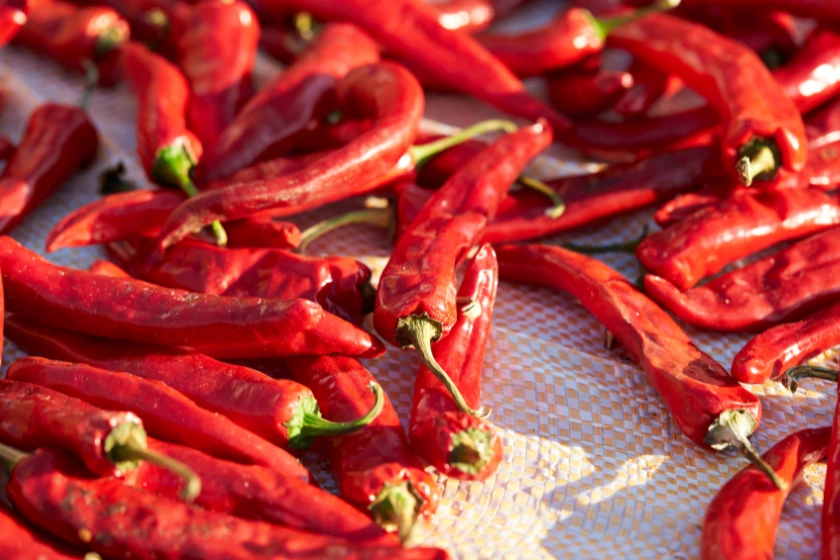
Walk through a typical harvest day. You pick your chili when it’s ripe and ready. Pile it in baskets. Leave it sitting while you finish harvesting the field. Sun beats down.
Hours pass. You transport it home in sacks, products pressing against each other. Dump it on the ground to start drying. Rain threatens, so you cover it with plastic. Plastic heats up underneath. Moisture builds. You remove the cover. Dust blows across. Chickens peck at it. Kids run through playing.
A week later, you notice some chili developing dark spots. Mold appearing on others. Color fading. You sort out the damaged pieces. End up with less than you harvested. The good pieces don’t look as vibrant as they should.
Market day comes. Buyers see the quality. Make offers accordingly. You accept because you have no leverage. Storage isn’t great. Crops won’t improve with waiting.
Each step in that story created loss. Not dramatic loss. Small degradations. But they compounded. Your actual harvest minus your sellable harvest minus the price reduction for lower quality equals money you never saw.
Now multiply that across a season. Across multiple crops. Across years. The invisible drain on your income becomes substantial.
The Timing Problem Nobody Talks About
Harvest timing affects everything that follows. Pick too early and crops haven’t developed full value. Pick too late and they’ve started degrading in the field. But even perfect timing means nothing if you handle crops wrong in the first hours after harvest.
Fresh produce is still alive, still respiring, still changing chemically. Vegetables picked at peak ripeness start losing quality immediately. Grains harvested at proper moisture content will spoil if they sit in humid conditions. Every hour matters.
Yet most farmers treat harvested crops as though they’re stable. Pile them. Let them sit. Handle them roughly. Expose them to conditions that accelerate deterioration.
The clock starts ticking the moment you cut or pull a crop. You’re racing against biology. Enzymes breaking down cells. Moisture enabling mold. Pests detecting opportunity. Temperature driving chemical changes. You can slow these processes dramatically with proper handling. Or you can ignore them and watch value drain away.
Successful farmers understand this window. They plan harvest around getting crops handled properly, not just around when it’s convenient to pick. If you can’t dry or store something properly today, it might be better to leave it in the field one more day than to harvest it badly.
Simple Drying Makes Dramatic Difference
Water is often the enemy of stored crops. Moisture permits mold growth, enables pest reproduction, allows bacterial action, and drives chemical changes that degrade quality.
Drying crops properly sounds obvious. Somehow it rarely happens correctly on small farms.
Ground drying creates problems. Soil moisture wicks into crops instead of moisture leaving them. Dust contaminates produce. Termites, ants, and other ground dwellers access crops easily. Chickens and other animals walk through. Rain soaks everything. You spend days trying to dry what should dry in hours.
Raised platforms change everything. Air circulates underneath. Moisture escapes rather than being reabsorbed. Contamination reduces dramatically. If rain comes, you can quickly move drying racks under cover rather than trying to gather and tarp crops spread across bare ground.
You don’t need expensive equipment. Wooden frames with chicken wire stretched across. Bamboo mats elevated on bricks. Repurposed pallets. Anything that gets crops off the ground and allows air circulation works better than ground drying.
Solar dryers accelerate the process while protecting crops from contamination. At Ruhukya Demo Farm’s demonstration area, you can see the difference side by side. Chili dried in a solar dryer versus chili dried on the ground. The solar-dried product maintains vibrant color, dries uniformly, avoids contamination. It commands premium prices because quality is visible.
But even without a solar dryer, raised platform drying in shade beats ground drying in sun. The sun-dried products often fade, dry unevenly, and pick up contamination. Shade drying takes slightly longer but preserves color and quality much better.
Temperature matters as much as air circulation. Extremely high heat damages some crops. Shade drying or controlled solar drying works better than direct sun scorching. The goal is removing moisture consistently, not cooking produce.
You know crops are dry enough when they meet the standards buyers expect. For grains, this usually means kernels break cleanly rather than denting when bitten. For chili, fully dry pods feel crisp and light. For leafy products, they should crumble easily. Under-drying invites storage problems. Over-drying can reduce weight unnecessarily and sometimes affect quality.
Container Choices That Change Everything
After you’ve dried crops properly, where you store them determines whether they stay in good condition or degrade anyway.
Traditional storage often creates problems. Woven baskets allow air circulation but also permit pest entry. Polythene sacks trap moisture, creating perfect conditions for mold despite your drying efforts. Clay pots work better but can break and often aren’t pest-proof. None of these truly protect your crops.
Hermetic storage represents a breakthrough many farmers haven’t tried yet. Sealed containers that prevent air, moisture, and pests from entering. Grain stored in hermetic bags can last for months without chemical treatment because pests can’t breathe without oxygen and mold can’t grow without fresh air circulation.
For small-scale farmers, hermetic bags offer affordable protection. You can find them from agricultural suppliers. Initial cost exceeds regular sacks, but they last through multiple seasons. The crop protection pays back the investment rapidly.
Metal silos work excellently for larger quantities. Properly sealed, they keep grain dry and protected. Rodents can’t chew through. Moisture stays out. Grain maintains quality for months.
Even improved versions of traditional storage help. Mixing ash with grain before storage discourages many pests. Storing in tightly sealed plastic jerricans works better than open containers. Using metal drums with gasket seals protects far better than grain bags.
The key is preventing three things: moisture entry, pest access, and contamination. Any storage solution addressing those three preserves quality better than traditional methods.
Location of storage matters too. Cool, dry places preserve crops better than hot, humid ones. Storage structures with good ventilation but protection from direct rain and sun perform better than structures that swing between temperature and humidity extremes.
The Gentle Handling Nobody Mentions
Physical damage might be the most overlooked source of post-harvest loss. Bruises. Cuts. Crushing. Each one creates an entry point for decay.
Tomatoes piled in baskets with layers pressing on each other. Onions tossed into sacks. Roots vegetables dumped from containers rather than placed. Each instance of rough handling damages cell structures. Damaged cells leak fluids. Leaked fluids attract mold and bacteria. Decay spreads from the damaged area.
Buyers see this damage immediately. They downgrade prices accordingly. Sometimes they reject loads entirely if too much damage appears.
Gentle handling starts with proper containers. Shallow baskets rather than deep sacks for delicate produce. Padded containers for easily damaged items. Appropriately sized containers that don’t force overpacking.
It continues with how you move things. Placing rather than tossing. Carrying rather than dragging. Protecting during transport with padding materials.
Even the time of day you harvest affects physical handling. Harvesting early morning when plants are crisp causes less damage than harvesting during hot afternoons when leaves wilt and bruise easily.
For root crops, curing before storage reduces damage and extends shelf life. Leave them in shade for a few days. Let skin toughen. Minor injuries heal over. Then store.
Professional operations sometimes wash and grade crops before storage. This might seem like unnecessary work. But cleaned, graded produce stores better, presents better, and sells better. The effort invested returns through higher prices and reduced spoilage.
When Speed Matters More Than Perfection
Not everything stores well. Some crops demand fast movement to market regardless of handling techniques.
Leafy vegetables deteriorate quickly. Tomatoes and other fresh produce have limited shelf life even with perfect handling. For these crops, the strategy isn’t long-term storage. It’s rapid processing or quick marketing.
This changes how you approach post-harvest handling. You still need gentle handling to preserve quality. But instead of focusing on drying and storage, you focus on maintaining freshness and moving product fast.
Cool storage helps enormously but isn’t always available to small farms. Simpler solutions work. Harvest in early morning when cool. Keep produce shaded. Sprinkle lightly with water to prevent wilting. Pack loosely for air circulation. Get to market quickly.
Some farmers coordinate harvest timing with market days. Rather than harvesting whenever convenient, they time it so produce reaches buyers at peak freshness.
Others process perishables to extend value. Making juice from fruits that won’t store. Drying tomatoes into concentrate. Preserving vegetables through various traditional methods. Processing transforms perishable crops into stable products with longer marketing windows.
The lesson is matching your handling strategy to crop characteristics. Long-storing crops need different approaches than perishables. Understanding these differences prevents wasted effort on techniques that don’t match the crop.
What Demonstration Farms Show You
Reading about post-harvest handling teaches concepts. Seeing it working teaches implementation.
At a demonstration farm, you walk past crops drying on raised platforms. You see the difference in quality compared to ground-dried products. The visual comparison makes the concept click in a way descriptions never could.
You examine hermetic storage. Hold the bags. Understand how they seal. See grain that’s been stored for months still in excellent condition. Suddenly the investment makes sense because you witnessed the results.
Solar dryers aren’t abstract ideas anymore. You see them working. Notice how they’re constructed. Understand maintenance requirements. Ask questions about costs and returns based on actual data rather than guesses.
The handling techniques make sense because you watch them demonstrated. How to load drying racks for proper air circulation. Where to place them for optimal drying. How to tell when products have dried sufficiently. When to move things under cover. How to pack for transport without causing damage.
Learning practical farming techniques through hands-on demonstration shows you what works in your climate with your crops. Theory from books often fails to account for local conditions. Demonstration accounts for everything because it’s happening right there in front of you.
Most post-harvest losses result from knowledge gaps, not resource gaps. Farmers don’t know better techniques exist. Or they’ve heard about techniques but don’t understand implementation. Demonstration bridges that gap efficiently.
The Money That Stops Disappearing
Calculate what post-harvest losses actually cost you. Not in abstract percentages. In actual money.
Say you harvest five hundred kilograms of chili. Poor handling causes visible damage to fifteen percent. Another ten percent develops mold during storage. The remaining three hundred seventy-five kilograms sell, but buyers notice the quality isn’t top-grade. They offer lower prices accordingly.
You lost one hundred twenty-five kilograms completely. That’s direct quantity loss. But you also lost the price premium your crop could have commanded. If proper handling would have gotten you premium prices on the full five hundred kilograms, the income difference is substantial.
Now multiply this across your various crops. Across multiple harvests per year. The cumulative loss might exceed what you spend on fertilizer or seed.
Investing in better post-harvest handling returns money directly. A simple raised drying platform costs less than one bag of fertilizer but protects crop value season after season. Hermetic storage bags cost more than regular sacks but preserve grain quality worth many times their price.
The return on investment for post-harvest improvements often exceeds returns from production improvements. Reducing loss by ten percent increases sellable product by ten percent at no additional production cost. Improving quality moves you into higher price brackets. Both effects directly increase income.
Small-scale farmers operating with tight margins can’t afford to lose twenty or thirty percent of harvest value to preventable post-harvest problems. The margins don’t work. Every percentage point preserved represents money that can buy inputs for next season, pay school fees, improve household nutrition, or build farm infrastructure.
Starting Where You Are
You don’t need to transform your entire post-harvest system overnight. Small improvements compound into significant results.
Start with one crop. Implement better handling for your most valuable product. Maybe that’s chili. Maybe tomatoes. Whatever brings the most income. Focus your effort there. Get that one crop’s post-harvest handling right. Measure the difference in quality and income.
Use that success to fund the next improvement. If better chili handling increased income, invest some of those earnings in improved storage for your maize. Use maize storage savings to build better drying platforms.
Sequential improvements feel manageable. They also prove results at each step, building your confidence and knowledge.
Prioritize based on where you’re losing most. If pests during storage cause your biggest losses, address storage first. If drying problems create quality issues, fix drying first. Focus effort where it returns the most value.
Watch what other farmers do successfully. Not everything works everywhere, but learning from neighbors who’ve solved similar problems saves trial and error time.
Attend training when available. Extension services often cover post-harvest handling. Agricultural shows demonstrate equipment and techniques. Other farmers’ experiences teach valuable lessons.
Visit demonstration farms to see techniques working. This might be the single highest-return action you can take. A few hours walking through demonstration plots and processing areas can shift your understanding completely.
What Changes When You Get This Right
Farmers who master post-harvest handling notice several changes.
Income becomes more predictable. When you know your crops will reach market in good condition, you can plan better. Budget better. Make commitments confidently.
Buyers start seeking you out. Consistent quality builds reputation. Traders remember which farmers deliver good products reliably. You gain negotiating power.
Storage gives you market timing flexibility. Instead of selling immediately after harvest when everyone else floods the market and prices drop, you can wait. Store properly. Sell when prices improve. This timing advantage can double your returns on stored crops.
Your farming becomes less stressful. Knowing you won’t lose a third of your harvest to preventable problems removes a major source of anxiety. Work feels more rewarding when effort translates to income rather than disappearing to spoilage.
You can plan improvements. Stable income from better post-harvest handling provides resources for farm investment. Better seeds. Improved irrigation. Diversifying into new crops. Each improvement builds on the last.
Perhaps most importantly, you stop leaving money on the ground. Every farmer knows the frustration of working hard all season only to watch income evaporate through preventable losses. Stopping that leak changes farming from a struggle to a viable livelihood.
Ready to see post-harvest techniques that actually work?
Visit Ruhukya Demo Farm and compare crops handled properly versus traditionally. See solar dryers working. Examine proper storage.
Get your specific questions answered. Book your visit or call +256 776 420995.