Practical Farming Demonstration Uganda 2026: Learn by Seeing What Works
How to Learn Farming That Actually Works: The Demo Farm Approach
You’ve probably heard advice about farming from somewhere. A neighbor who grew up farming. An extension officer who visited your village. Maybe a video you watched on your phone. Some of it sounds promising. Other advice conflicts directly with what you heard last week.
Here’s the problem: farming advice without context means almost nothing.
Someone tells you drip irrigation saves water. But does it work in your soil type? With your water source? For the crops you want to grow? The advice floating around rarely comes with those answers. You’re left guessing whether spending money on new techniques will help your farm or drain your savings on something that doesn’t fit your situation.
This is why demonstration farms exist.
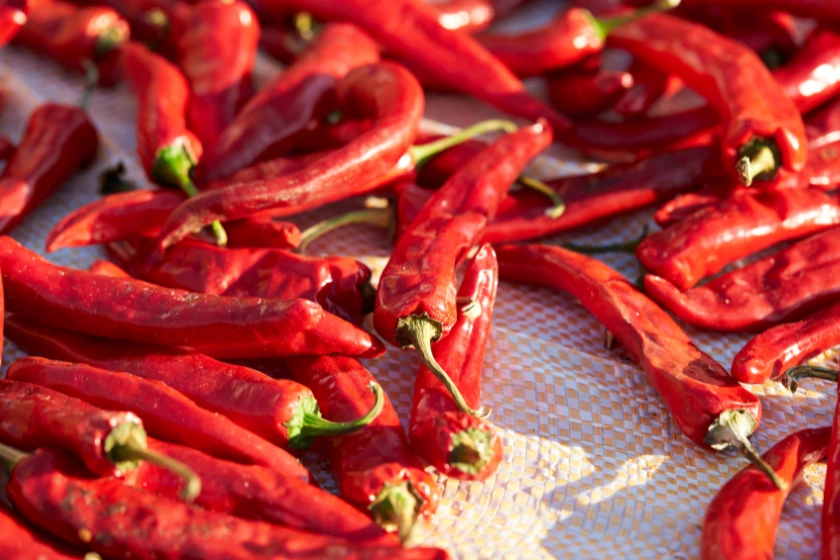
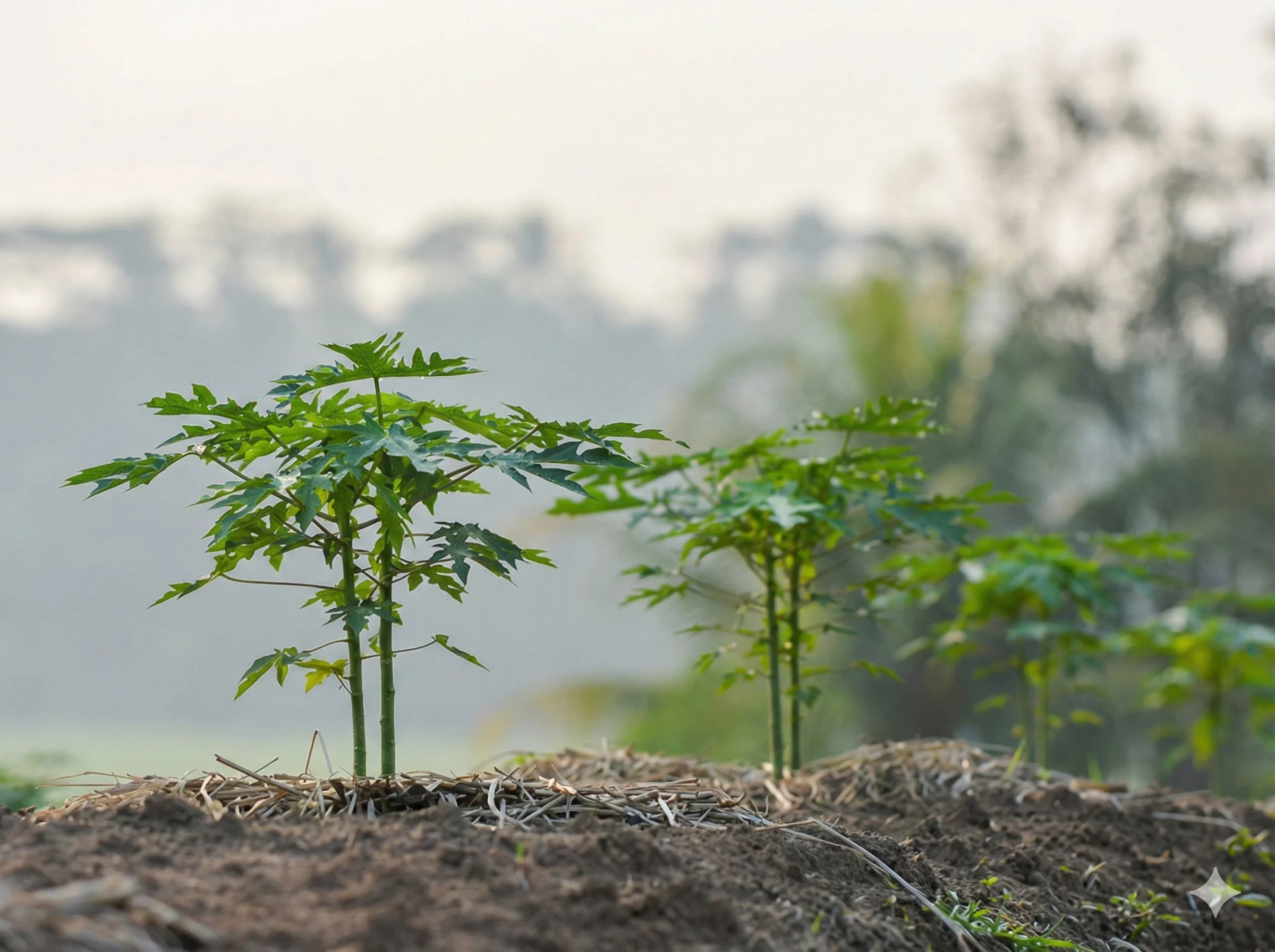
Instead of imagining how a technique might work, you walk through plots where it’s already working. You see the irrigation lines running through an actual chili field. Touch the soil. Watch how the system connects. Ask questions about what went wrong during setup and how problems got fixed.
You leave with knowledge you can actually use.
What Makes a Demonstration Farm Different
Most agricultural training happens in classrooms or workshops. You sit. Listen to presentations. Look at PowerPoint slides showing ideal conditions. Maybe you get handouts with diagrams.
That’s not how farming works.
Farming happens in dirt. Under sun. Through rain and drought. Your crops don’t care what the textbook said. They respond to what actually happens in your field with your soil and your water and your weather.
A demonstration farm bridges the gap between theory and practice.
When you visit Ruhukya Demo Farm in Hoima, you’re not looking at pictures of successful farming. You’re walking through over fifty demonstration plots where techniques either work or fail in the same climate you farm in. The soil isn’t perfect laboratory soil. It’s Ugandan soil. The rain comes when it comes, just like on your farm. The sun beats down the same way.
This matters more than people realize.
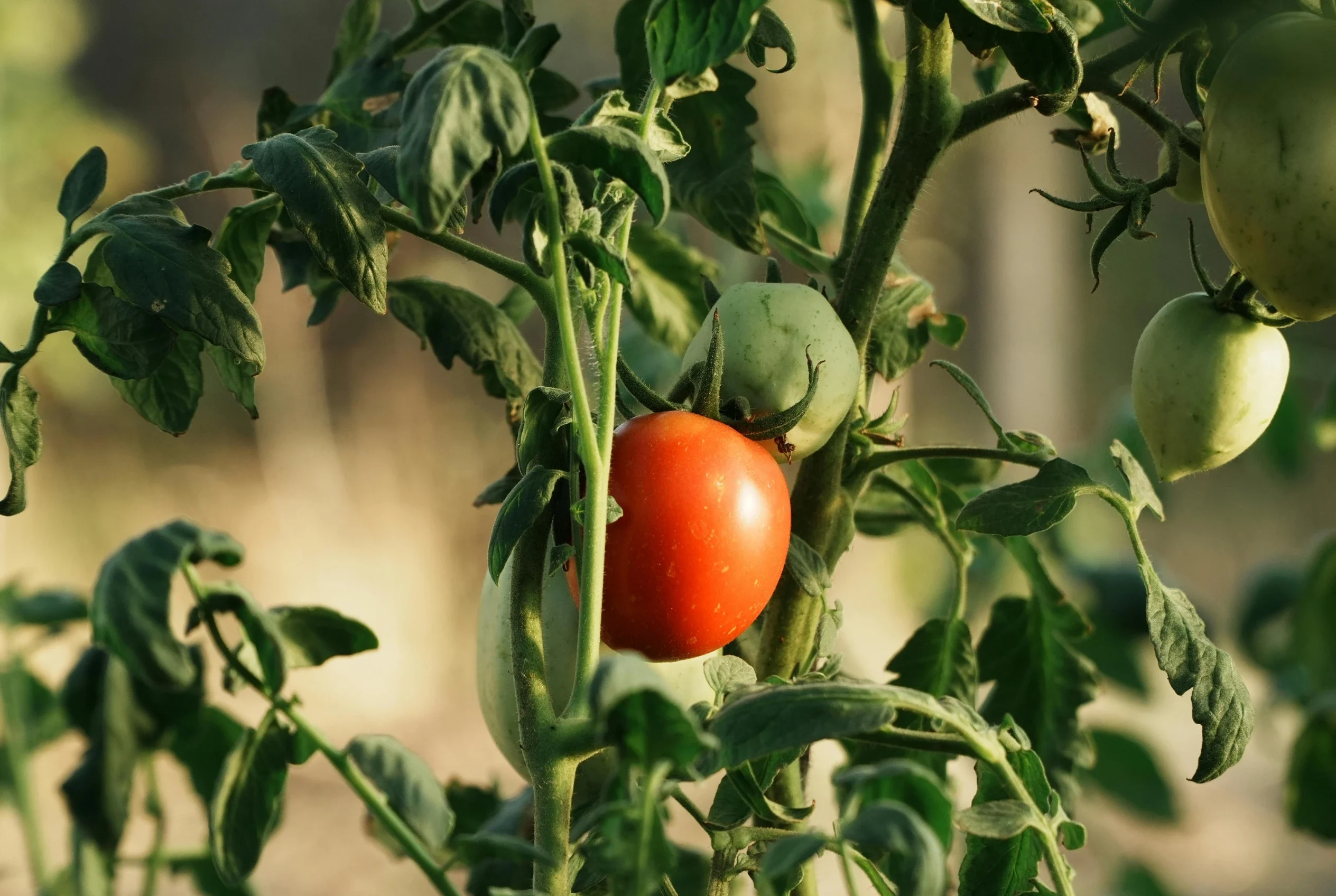
Books show you ideal spacing for passion fruit vines. A demonstration farm shows you what happens when you actually plant at that spacing, plus what happens when you adjust for local conditions. You see which spacing produces better fruit in practice, not in theory.
You watch chili plants at different stages. Some planted two months ago. Others just starting. A few ready for harvest. Your eyes connect the timeline in a way no lecture can match.
The equipment isn’t sitting in a storage room. It’s out there working. Solar dryers process actual crops. Irrigation systems run through real fields. When something breaks or needs adjustment, you see how it gets fixed, not just how it’s supposed to work when everything goes perfectly.
Why "Seeing It Work" Beats Reading About It
Think about the last time you learned a physical skill. Riding a bicycle maybe. Or using a new tool. Someone could describe the process in detail. Show you diagrams. Explain the physics.
But you didn’t really understand until you tried it yourself. Until you felt the balance. Made mistakes. Adjusted.
Farming works the same way.
You can read about post-harvest handling. The book explains that crops lose value when moisture content stays too high. It recommends drying to specific levels. Everything sounds logical. But standing next to a solar dryer, seeing chili peppers going in wet and coming out preserved, watching the process from start to finish, that’s when understanding clicks into place.
You notice details the manual never mentioned. How to arrange products for even drying. What happens when you overload the dryer. How weather affects drying time. The small adjustments that mean the difference between preserved crops that sell at premium prices and crops that spoil despite your best efforts.
This kind of knowledge can’t be transmitted through descriptions. It requires observation.
At a good demonstration farm, you’re not just observing finished results. You see the process. The mistakes. The corrections. You learn what works consistently versus what works only under perfect conditions.
Someone shows you a thriving lavender plot. Beautiful. Healthy plants. But they also show you the plot from two seasons ago that struggled. They explain what went wrong. How they fixed it. What they learned. Both the success and the failure teach you something useful.
Books skip the failure parts. They show you the ideal outcome and assume you’ll figure out how to get there. Demonstration farms admit that getting to the ideal outcome requires navigating problems, and they show you how.
The Questions You Can Actually Get Answered
Walk into a classroom and ask a theoretical question. You’ll get a theoretical answer. The instructor explains principles. Covers general cases. Gives you frameworks to think about.
Walk through a demonstration farm and ask a specific question. You get a specific answer, often demonstrated right in front of you.
“How do I know when passion fruit is ready to harvest?” The person showing you around picks up a ripe fruit. Hands it to you. Points out the weight, the color, the subtle changes in skin texture. Picks up an unripe one for comparison. You feel the difference immediately.
“Does drip irrigation really save that much water compared to furrow irrigation?” They walk you to adjacent plots. Same crop. One with drip lines. One with furrows. You see the water usage data. More importantly, you see the plant health, the weed pressure, the labor involved in each system.
Questions about equipment get answered with equipment right there. How does this sprayer work? Here, hold it. Feel the weight. See how you’d carry it through a field. Notice how the nozzle adjusts. Try triggering the spray.
You can’t do this from reading a manual.
The most valuable answers come from questions you didn’t know you needed to ask. You might visit thinking about irrigation methods. But while walking through plots, you notice the spacing between rows. “Why this distance specifically?” The answer leads you to understand more about the crop than any amount of reading would have taught you.
Demonstration farms expose you to the full scope of farming decisions: soil preparation, seed selection, spacing, irrigation, pest management, harvest timing, post-harvest handling. Seeing all these elements together in working plots helps you understand how they connect. How a decision about irrigation affects pest pressure. How spacing influences harvest efficiency.
These connections don’t emerge from isolated pieces of advice.
What You Actually Learn on a Farm Visit
People sometimes think demonstration farm visits work like museum tours. You look at displays. Read descriptions. Take photos. Leave.
That’s not what happens.
You learn by engaging. By asking. By comparing what you see to what happens on your own farm.
Your first lesson usually involves soil. Not reading about soil. Digging your hands into it. Feeling the structure. Seeing what healthy soil looks like when it crumbles in your palm versus what degraded soil does.
You’ll see crops at multiple growth stages simultaneously. This matters because farming isn’t a single decision point. It’s a sequence. Each stage presents different challenges. Seeing all stages at once teaches you what to expect throughout the season rather than being surprised when your plants don’t match the description you read.
Equipment becomes concrete instead of abstract. You see the actual size of drip irrigation components. The physical layout of solar dryers. How much space they occupy. What maintenance they require. Whether they’d fit your operation.
Labor requirements become visible. How many people does it take to manage a quarter-acre of chili? What tasks consume the most time? Which ones require skill versus which ones anyone can handle? Watching work happen teaches you more about feasibility than labor calculations on paper.
You notice the small efficiencies that add up. How plots are arranged to minimize walking distance. Where tools get stored for easy access. The way harvested crops move from field to processing. These operational details rarely appear in farming guides, but they significantly affect whether a farm runs smoothly or becomes exhausting.
Failures get discussed openly. That plot over there? Didn’t work. Tried a new variety. Wrong choice for this climate. Learned valuable information from the loss. Now you won’t repeat the same expensive experiment.
The most important learning happens in those moments when something you assumed turns out differently than expected. You thought certain crops needed constant water. Walking through plots in the dry season, you see them thriving with minimal irrigation because of soil preparation done months earlier. Your assumption shifts. Now you understand the system differently.
How Practical Training Changes Your Farming Decisions
Knowledge that stays theoretical rarely changes behavior. You can know something intellectually without it affecting your choices.
But experiences stick differently.
After you’ve walked through demonstration plots, touched soil that’s been properly prepared, seen the difference between plants with adequate spacing and ones planted too close, those memories influence your decisions. Not because you’re following instructions, but because you experienced the contrast.
This shows up when you plan your own farm.
You’re not guessing about spacing anymore. You remember seeing it. Your hands recall the texture of good soil. Your eyes remember what healthy plants at each growth stage looked like.
When you shop for equipment, you have reference points. You held that kind of sprayer. Know its weight. Understand its capacity. The salesperson can’t exaggerate specifications because you’ve seen the real thing working.
You budget differently because you saw actual costs demonstrated. Not someone’s estimate of what things should cost. Real numbers from a working operation. This prevents expensive surprises.
Perhaps most valuable: you develop realistic expectations.
Demonstration farms show you what’s achievable with diligent work. You see what success looks like in your climate, with available resources, under real conditions. Your goals shift from fantasies about massive yields to practical plans for steady improvement.
You also learn to spot problems earlier. Because you saw what pest damage looks like at early stages, you recognize it on your farm before it spreads. You know what nutrient deficiency symptoms appear as rather than waiting until plants look obviously sick.
These kinds of changes happen gradually. You don’t notice them all at once. But over time, your farming becomes more deliberate. Less guesswork. More confidence in your decisions.
The Right Way to Visit a Demo Farm
Not all farm visits produce equal learning. How you approach the experience matters.
Come with questions, not blank expectations. Before visiting, write down what you want to understand. Specific challenges you face. Techniques you’ve heard about and want to see in action. Crops you’re considering. Your questions guide what you pay attention to.
Walk the plots yourself. Don’t just follow a tour guide pointing at things from a distance. Get close. Kneel down. Look at plant roots if possible. Feel the irrigation setup. Notice spacing between plants. The details you miss from ten meters away become obvious when you’re right there.
Take notes. Your memory will fail you. Write down observations while you’re looking at them. What spacing did they use for passion fruit? How deep were the irrigation lines buried? What time of year did they plant this particular crop?
Take photos that actually help. Don’t just snap pictures of plants. Photograph the details you’ll forget. The way equipment connects. The structure of planting beds. Signs showing growth stages. Measurements and labels.
Ask about failures, not just successes. Every farm makes mistakes. Learning what didn’t work saves you from repeating those expensive experiments. Most people are willing to share these stories if you ask.
Compare what you see to your own situation. Not everything demonstrated will fit your farm. Pay attention to which techniques match your circumstances and which would require adjustments. Understanding the difference prevents disappointment when you try to implement something that doesn’t translate directly.
Visit more than once if possible. Farming changes with seasons. What you see in March looks different from October. Multiple visits throughout the year give you a complete picture of how the farming cycle works.
Talk to other farmers visiting. They’re asking questions from their perspective. Their questions might reveal things you hadn’t thought about. Their observations add to your learning.
Don’t rush. A thorough visit to a demonstration farm takes hours, not minutes. You’re trying to understand systems, not just check boxes. Spend the time needed to truly see how things work.
When Hands-On Learning Matters Most
Some farming knowledge transfers fine through books or videos. Basic concepts. Broad principles. Historical background.
But practical implementation? That requires something more.
You face a major shift in your farming. Maybe moving from subsistence crops to cash crops. Maybe adding irrigation. Maybe trying new varieties. These transitions involve risk. Money spent on equipment or inputs. Time invested in learning new techniques. Potential crop failures.
In these moments, seeing techniques working before you commit your resources changes your decision-making completely.
You’re considering equipment purchases. Reading specifications tells you one thing. Watching the equipment operate in field conditions tells you whether it’ll actually work for your needs. Whether it’s reliable enough. Whether you can maintain it with available skills and parts.
You hear about a farming technique that could increase your income. Maybe intercropping. Maybe a different harvest schedule. The idea sounds good, but you need to see if it works in practice. A demonstration farm proves whether the technique delivers results or just sounds clever.
You want to expand but aren’t sure which direction makes sense. Seeing multiple approaches side by side like different crops, different methods, different scales helps you choose based on real outcomes rather than marketing promises.
Young people considering farming need to see it work before committing. Many young Ugandans view farming as a last resort. But seeing a well-run farm, understanding the business side, recognizing the genuine opportunities changes perspectives. Hands-on exposure creates farmers who enter the field by choice, with realistic knowledge rather than romantic notions.
Extension officers and agricultural professionals need practical reference points too. Recommending techniques you’ve read about differs from recommending what you’ve seen working. Demonstration farms turn theory into evidence-based advice.
Women farmers face extra skepticism when trying new approaches. Seeing techniques demonstrated successfully, having access to working examples, provides the proof needed to convince family members or community members that investments make sense.
Why Location Matters for Demonstration Farms
A demonstration farm in Kenya teaches you different things than one in Uganda. Same continent. Same general region. But different enough that techniques don’t always transfer directly.
Climate affects everything. Rainfall patterns. Temperature ranges. Dry season length. What works in one area fails in another. A demonstration farm in your climate zone shows you techniques proven under conditions matching yours.
Soil types vary dramatically even within countries. The demonstration you need is about farming in your kind of soil. Clay behaves differently than sandy loam. Crops respond differently. Irrigation needs differ. Seeing techniques adapted to your soil type matters immensely.
Available inputs change by region. Some places have easy access to specific fertilizers or equipment. Others don’t. Demonstration farms using locally available inputs teach you practical methods rather than ideal systems requiring resources you can’t get.
Markets differ. What sells well in one area might have no demand in another. A demonstration farm near your market shows you crops with proven local demand rather than crops that theoretically should sell.
Local pests and diseases present unique challenges. Seeing how farms in your area handle these specific problems gives you practical solutions rather than general advice that may not address what you’re actually facing.
This is why Ruhukya Demo Farm’s location in Hoima, Western Uganda matters to farmers in the region. The techniques demonstrated there work under the same conditions you face. The crops shown grow in your climate. The challenges addressed match your challenges.
You’re not learning how farming works in ideal conditions. You’re learning how it works in Ugandan conditions.
The Economic Side of Demonstration Farms
Learning costs money. Traditional agricultural training charges fees for courses, workshops, certificates. The knowledge you gain may or may not apply to your actual farm.
Demonstration farm visits offer different economics.
You see techniques before investing. This prevents expensive mistakes. If you were considering an irrigation system, seeing one in operation shows you whether it matches your needs before you spend money on equipment that won’t work for your situation.
The time investment makes sense. A few hours at a demonstration farm can save months of trial and error. Learning from someone else’s experiments means you skip failed attempts and move directly to approaches with proven results.
You can assess return on investment with real data. Not theoretical projections about what crops might earn. Actual information from a working operation about yields, input costs, labor requirements, market prices. This lets you calculate whether a farming approach makes financial sense for your circumstances.
Techniques that reduce waste directly improve your income. Better post-harvest handling means more of your crop reaches market in sellable condition. Proper timing increases quality and price. Efficient irrigation reduces water costs and labor. Each improvement compounds over seasons.
Some farmers visit expecting to learn one specific thing but discover something else that transforms their operation. You came to see irrigation techniques. But while there, you noticed their crop spacing improved yields significantly. That spacing change cost nothing to implement yet increased production.
The economic value of avoiding mistakes often exceeds the value of learning new techniques. If visiting a demonstration farm prevents you from investing in equipment that won’t work or planting a crop with no local market, you’ve saved far more than the visit cost.
What to Do With What You Learn
Learning without application accomplishes nothing. The point isn’t collecting agricultural knowledge. It’s improving your farm.
Start small with new techniques. Don’t transform your entire operation based on one visit. Try a single plot using what you learned. See how it performs. Adjust based on results. Expand if it works.
Document your attempts. Take photos as you implement new spacing or irrigation or post-harvest methods. Note what works and what needs adjustment. This creates your own demonstration record to refer back to.
Connect with other farmers who’ve visited the same demonstration farm. Share observations. Discuss how you’re each adapting techniques. Learn from each other’s experiences implementing what you saw.
Return for follow-up questions as you implement. The first visit gives you broad understanding. But as you actually try things on your farm, specific questions emerge. Going back to ask those questions while looking at the demonstration again deepens your knowledge.
Teach others what you learn. Explaining techniques to family members or neighboring farmers forces you to clarify your understanding. Plus it spreads the knowledge through your community.
Track your results. When you implement something from a demonstration visit, monitor what happens. Did yields improve? Did labor decrease? Did crop quality increase? Quantifying results shows you which techniques matter most for your specific situation.
Be patient with yourself. Implementing new farming techniques takes time. Plants don’t grow faster because you’re watching. Soil doesn’t improve overnight. Measure progress across seasons rather than expecting immediate transformation.
Making Demonstration Farms Part of Your Farming Journey
One visit teaches you something. Regular visits build expertise.
Think of demonstration farms as a resource you return to rather than a one-time experience. Different seasons show different aspects of farming. Visiting multiple times across a year lets you see the complete cycle.
Your learning needs change as your farm develops. When you’re starting, you need broad foundational knowledge. As you gain experience, you have more specific questions. The same demonstration farm serves both levels of learning if you return as your needs evolve.
Bring different people on different visits. Maybe your first visit is alone, focused on your personal learning. Later, bring family members who work on the farm. Their questions and observations add perspectives you missed. If you’re making a major investment, bringing the person who’ll manage that aspect helps everyone understand the commitment.
Use visits to stay current with new techniques. Agriculture evolves. New crop varieties emerge. Equipment improves. Farming methods develop. Demonstration farms adopt and test these innovations. Regular visits keep you informed about developments worth considering.
Connect your demonstration farm visits to your farm’s planning cycle. Visit before major planting seasons. See what’s working. Decide what to try. Visit during growing season to see techniques at different stages. Visit after harvest to understand post-harvest handling.
This rhythm of learning and implementation creates steady improvement rather than dramatic, risky changes. Each season you try something new, based on what you observed working at the demonstration farm. Some experiments succeed. Others teach you valuable lessons. Your farming knowledge expands through repeated cycles of observation and practice.
Why This Approach Works When Others Don’t
Agricultural extension has tried many approaches to improve farming knowledge. Radio programs. Printed guides. Classroom workshops. Demonstration farms aren’t new either. But they work more consistently than most training methods.
Here’s why:
The learning is sensory, not just intellectual. You see, touch, smell, sometimes taste what you’re learning about. Multiple senses create stronger memories and deeper understanding than reading or listening alone.
Context comes included. When you see a technique, you also see everything around it. The plot layout. Other crops nearby. Equipment locations. Drainage patterns. This contextual information rarely appears in written guides but critically affects implementation.
Questions get answered immediately. In a classroom, you write down questions to ask later. At a demonstration farm, you ask while you’re looking at exactly what you’re questioning. The answer makes immediate sense because you’re experiencing the context.
Real constraints are visible. Books present ideal scenarios. Demonstration farms show what’s achievable with actual limitations including real budgets, available labor, local materials. This makes the knowledge practical rather than theoretical.
Success and failure both teach you. Every plot represents an experiment. Some proved excellent. Others merely adequate. A few failed completely. Learning from the full range of outcomes makes you a better farmer than only knowing what works perfectly.
Peer learning happens naturally. Other farmers visit too. You hear their questions. Share observations. Learn from their perspective. This community aspect enhances individual learning.
Implementation becomes less daunting. When you’ve seen something working, trying it yourself feels manageable. The gap between “I heard about this” and “I’ll try this” shrinks dramatically when you’ve witnessed it in action.
Your Next Steps
Reading about demonstration farms and practical training is one thing. Walking through actual plots, seeing techniques working, asking your specific questions is something entirely different.
If you’re farming in Western Uganda, particularly around Hoima District, Ruhukya Demo Farm offers exactly this kind of hands-on learning. Over fifty demonstration plots. Crops at different stages. Equipment working in real field conditions. People who’ll answer your specific questions based on their experience farming in the same climate you face.
You don’t need to prepare extensively. Come with your curiosity. Bring questions about your farming challenges. Wear clothes and shoes suitable for walking through fields. Bring something to write notes. Your phone for photos if you have one.
Book a visit when it fits your farming schedule. Maybe just before planting season when you’re making decisions about what to grow. Maybe during growing season when you’re dealing with challenges and want to see solutions demonstrated. Maybe after harvest when you’re planning improvements.
The investment is a few hours of your time. The return is practical knowledge you’ll use across multiple seasons. Techniques that improve your yields, reduce your costs, or help you produce better quality crops. Confidence in your farming decisions because they’re based on what you’ve seen working rather than what someone told you should work.
That difference changes everything.
Farming happens in fields. It involves soil and sun and water and plants. No amount of reading replaces the experience of seeing it work. Demonstration farms exist to give you that experience before you invest your own resources.
The question isn’t whether hands-on learning helps. Obviously it does. The question is whether you’ll take advantage of it.
Your farm deserves decisions based on knowledge, not guesses. Your time and money deserve to go toward techniques proven under conditions matching yours. Your questions deserve answers you can see demonstrated, not just described.
That’s what practical farming training through demonstration offers.
The plots are there. The techniques are working. The knowledge is available. What you do with it is up to you.
Ready to see practical farming techniques working in Western Uganda’s climate?
Book your visit to Ruhukya Demo Farm and walk through demonstration plots showing everything from land preparation through post-harvest processing. Schedule your farm visit or call +256 776 420995.