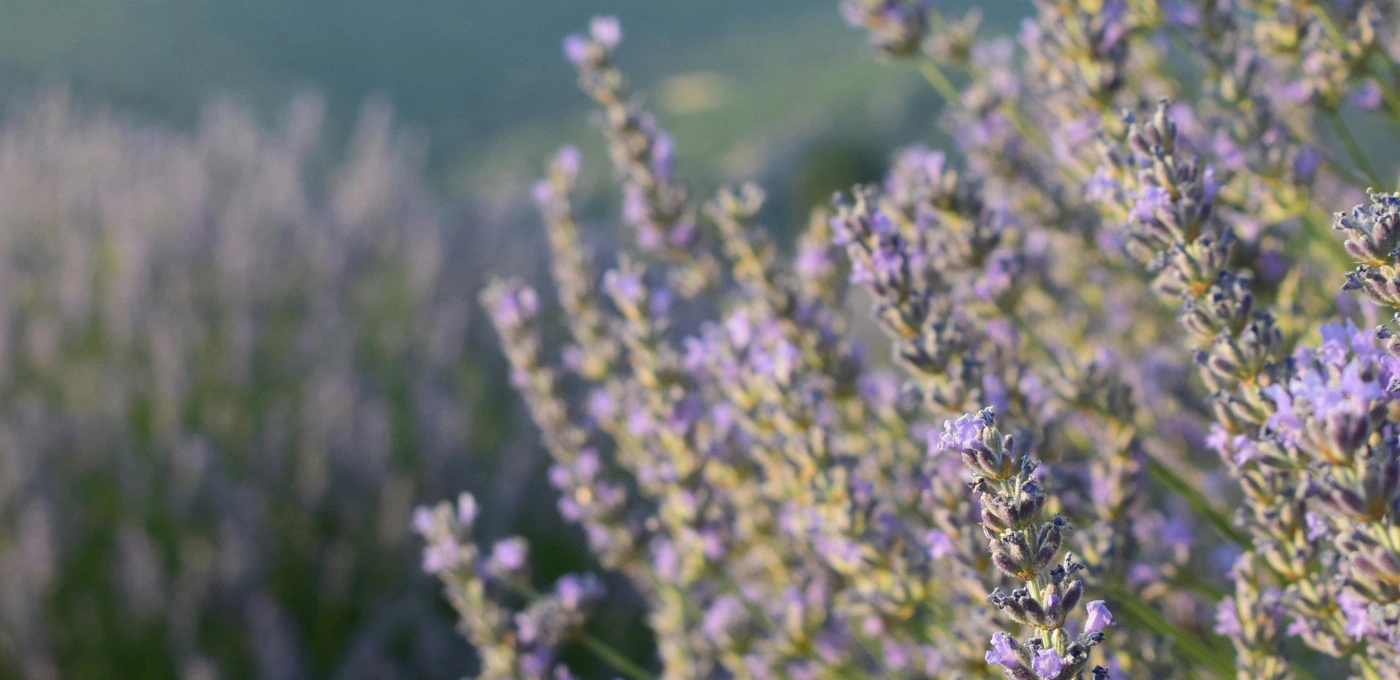
Lavender Farming Demonstration Uganda
category:
Crop, Harvesting
date:
January 30, 2026
Services:
Training
Lavender Farming Program
Discover the emerging opportunity in aromatic crop production.
Ruhukya Demo Farm’s lavender farming program introduces you to a sophisticated agricultural venture that combines beautiful landscapes with premium product markets in cosmetics, wellness, and hospitality industries.
Uganda currently imports most lavender essential oil despite having ideal growing conditions in highland areas.
This training equips you to produce locally, capture this import-substitution opportunity, and potentially develop export capabilities.


Key Takeaway: A small bunch of fresh lavender sells for approximately 15,000 UGX ($4), while 20ml of lavender essential oil commands $40, demonstrating the dramatic value addition possible through proper processing. |
What is Lavender Farming?
Lavender farming involves cultivating Lavandula species, aromatic shrubs prized for their fragrant flowers and essential oil content. Unlike seasonal crops, lavender is a perennial that produces for 10-20 years once established, creating long-term income streams from single plantings.
Commercial lavender operations target multiple revenue streams: fresh and dried flowers for decoration, essential oil for aromatherapy and cosmetics, and increasingly, agritourism experiences including farm visits, photo opportunities, and wellness retreats.
Why Choose Ruhukya’s Lavender Training?
Adapted Growing Techniques
We’ve developed lavender cultivation methods suited to Uganda’s tropical highland conditions. Learn which varieties perform best in local climates and how to modify traditional Mediterranean growing practices for successful production in East Africa.
Complete Value Chain Coverage
From propagation through distillation to product development, our program covers every step. You’ll understand not just growing lavender but transforming it into marketable products that command premium prices.
Emerging Market Positioning
As Uganda’s wellness and natural products industries grow, locally-produced lavender commands increasing interest. Position yourself at the forefront of this emerging market with skills few others possess.
|
Key Takeaway: Under optimal cultivation, lavender yields 15kg of essential oil per hectare with oil content ranging from 1.2% to 1.5%, creating significant value from relatively small land areas. |
What You’ll Learn in This Program
Variety Selection and Propagation
Understand the differences between Lavandula angustifolia (English lavender), Lavandin hybrids, and other species. Master propagation through cuttings, the preferred commercial method, achieving 90%+ success rates with proper technique.
Site Selection and Soil Preparation
Lavender demands excellent drainage and full sunlight. Learn to assess potential growing sites, amend heavy soils, create raised beds where needed, and maintain the slightly alkaline pH (6.0-8.0) that lavender prefers.
Cultivation and Maintenance
Master pruning techniques that maintain plant health and maximize flower production. Understand the minimal fertilization lavender requires and irrigation practices that prevent the root rot this Mediterranean plant cannot tolerate.
Essential Oil Extraction
Receive hands-on training with steam distillation equipment. Learn optimal harvest timing, material preparation, distillation parameters, and oil storage that preserves the delicate aromatic compounds buyers demand.
Product Development and Marketing
Explore value-added products including dried flower sachets, infused oils, soap making, and wellness applications. Develop marketing strategies for premium positioning in cosmetics, hospitality, and direct consumer markets.
Expected Outcomes After Training
Lavender farming offers unique advantages for patient entrepreneurs. While plants require 1-2 years to reach full production, they then produce for decades with minimal ongoing investment. The combination of multiple revenue streams like fresh flowers, dried products, essential oils, and agritourism creates diversified income resilient to single-market fluctuations.
Graduates leave understanding both quick-return strategies (selling fresh flowers and rooted cuttings) and long-term value building (essential oil production, farm tourism development).
Frequently Asked Questions
Q: Can lavender grow successfully in Uganda’s climate?
A: Yes, with proper variety selection and site preparation. Highland areas with good drainage and full sun provide suitable conditions. We teach adaptations for successful tropical cultivation.
Q: How much investment is needed to start?
A: Small operations can begin with minimal investment. Propagation equipment and a quarter acre costs under 2 million UGX. Distillation equipment for oil production adds 5-15 million UGX depending on capacity.
Q: What are the main markets for lavender products?
A: Hotels and spas purchase fresh and dried lavender; cosmetic producers need essential oils; wellness practitioners seek aromatherapy supplies; tourists pay for farm experiences. Our training helps you identify your best market opportunities.
Q: How long until plants produce flowers?
A: Plants typically flower lightly in their first year, with full production by year two or three. However, you can generate income earlier through selling rooted cuttings to other aspiring growers.
Begin Your Lavender Farming Journey Join our specialized training and enter Uganda’s emerging aromatic agriculture sector. REGISTER TODAY: +256776420995 | admin@ruhukyademofarm.com |